Introduction
The idea of food as medicine is not new. Traditional healing systems such as Ayurveda, Traditional Chinese Medicine, and ancient folk practices have long recognized that everyday foods can heal, protect, and nourish the body when eaten correctly. Modern science now confirms that many common organic foods contain powerful nutrients, antioxidants, enzymes, and plant compounds that prevent disease and support overall health.
This article explores how pineapple, carrot, pomegranate, sweet potatoes, tomatoes, ginger, walnuts, beetroot, kidney beans, and other everyday foods act as natural medicine — including their benefits, how to consume them, and the best time to eat them for maximum effect.
1. Pineapple – Digestive and Anti-Inflammatory Medicine
Health Benefits
- Contains bromelain, an enzyme that improves digestion
- Reduces inflammation and joint pain
- Supports immune system function
- Aids faster recovery from injuries
How to Consume
- Fresh pineapple slices
- Fresh pineapple juice (no added sugar)
- Added to smoothies or fruit salads
Best Time to Eat
- After meals to aid digestion
- Avoid late night consumption if you have acidity issues
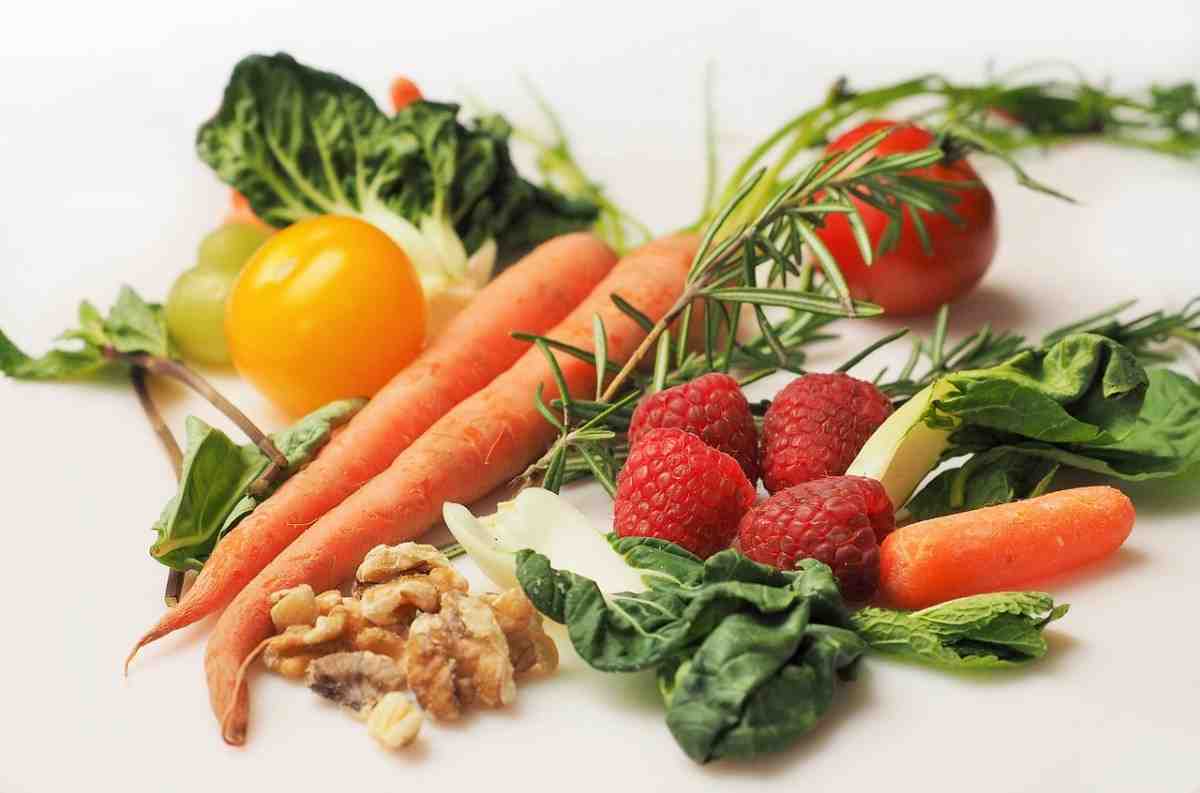
2. Carrots – Vision, Skin, and Immune Booster
Health Benefits
- Rich in beta-carotene (converted to vitamin A)
- Improves eyesight and prevents eye disorders
- Enhances skin health
- Strengthens immunity
How to Consume
- Raw carrot sticks or grated carrot salad
- Lightly steamed carrots
- Fresh carrot juice
Best Time to Eat
- Morning or afternoon
- Best consumed with a small amount of healthy fat (olive oil, nuts) for better absorption
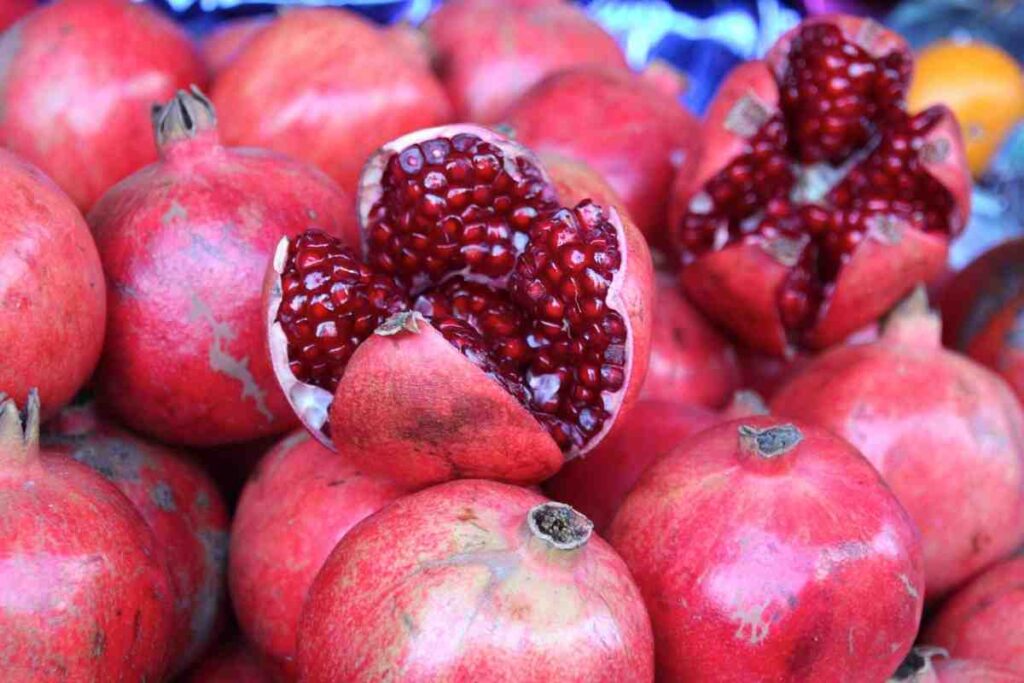
3. Pomegranate – Heart and Blood Purifier
Health Benefits
- Extremely high in antioxidants
- Improves blood circulation
- Supports heart health and lowers blood pressure
- Helps fight inflammation and oxidative stress
How to Consume
- Fresh pomegranate seeds
- Fresh pomegranate juice
- Added to salads or yogurt
Best Time to Eat
- Morning on an empty stomach or mid-morning
- Avoid at night if digestion is weak
4. Sweet Potatoes – Gut Health and Energy Provider
Health Benefits
- High in dietary fiber
- Supports gut and digestive health
- Helps regulate blood sugar
- Provides long-lasting energy
How to Consume
- Boiled or baked sweet potatoes
- Mashed or roasted (avoid deep frying)
Best Time to Eat
- Lunch or early dinner
- Ideal before physical activity
5. Tomatoes – Cancer Prevention and Skin Protection
Health Benefits
- Rich in lycopene, a powerful antioxidant
- Supports heart health
- Protects skin from sun damage
- May reduce risk of certain cancers
How to Consume
- Fresh tomatoes in salads
- Cooked tomato sauces or soups (enhances lycopene absorption)
Best Time to Eat
- Daytime meals (breakfast or lunch)
- Avoid raw tomatoes late at night if prone to acidity
6. Ginger – Natural Anti-Inflammatory and Digestive Aid
Health Benefits
- Reduces nausea and bloating
- Relieves joint and muscle pain
- Improves digestion
- Boosts immunity
How to Consume
- Ginger tea
- Grated ginger in meals
- Ginger with warm water
Best Time to Eat
- Morning on an empty stomach
- After meals for digestion
7. Walnuts – Brain and Heart Food
Health Benefits
- Rich in omega-3 fatty acids
- Improves brain function and memory
- Supports heart health
- Reduces inflammation
How to Consume
- Raw walnuts (soaked overnight for better digestion)
- Added to oatmeal, salads, or smoothies
Best Time to Eat
- Morning or mid-morning
- Avoid heavy consumption at night
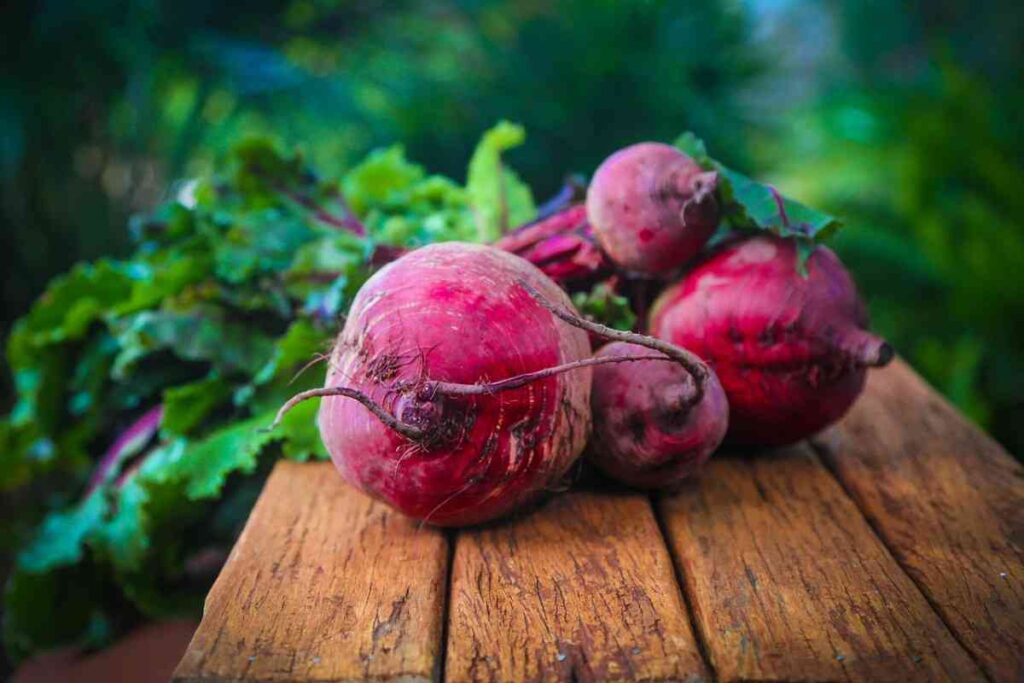
8. Beetroot – Blood Builder and Detoxifier
Health Benefits
- Improves hemoglobin levels
- Supports liver detoxification
- Enhances stamina and endurance
- Helps lower blood pressure
How to Consume
- Fresh beetroot juice
- Boiled or roasted beetroot
- Grated raw beetroot salad
Best Time to Eat
- Morning or before workouts
- Avoid late night consumption
9. Kidney Beans – Plant-Based Protein and Sugar Regulator
Health Benefits
- High in protein and fiber
- Helps regulate blood sugar
- Supports digestive health
- Promotes muscle repair
How to Consume
- Well-cooked kidney beans
- Added to soups, curries, or salads
Best Time to Eat
- Lunch
- Avoid heavy portions at night
10. Other Everyday Foods That Act as Medicine
- Garlic: Natural antibiotic and heart protector
- Turmeric: Powerful anti-inflammatory compound
- Spinach: Iron-rich blood purifier
- Lemon: Detoxifying and immune-boosting
Why Organic Foods Are Better as Medicine
Organic foods are grown without synthetic pesticides or harmful chemicals. They retain higher nutrient density and work more effectively as natural medicine, supporting the body without toxic side effects.
Conclusion
Food is one of the most powerful and accessible forms of medicine available to us. Everyday organic foods such as pineapple, carrot, pomegranate, sweet potatoes, tomatoes, ginger, walnuts, beetroot, and kidney beans are not just sources of energy — they are rich in natural compounds that support healing, strengthen immunity, improve digestion, and protect the body from chronic diseases. When consumed in the right way and at the right time, these foods work in harmony with the body to maintain balance and promote overall well-being.
Choosing organic foods further enhances their medicinal value by reducing exposure to harmful chemicals and preserving their natural nutrients. Instead of relying solely on medications after illness occurs, adopting a lifestyle that prioritizes wholesome, natural foods helps prevent disease and supports long-term health. By making mindful food choices each day, we empower our bodies to heal naturally, sustainably, and gently.
In essence, true health begins on our plate. When food is chosen wisely and eaten consciously, it becomes more than nourishment — it becomes medicine for the body, mind, and future.
If you want, I can also:
- Make it shorter or simpler
- Adapt it for research papers or presentations
- Rewrite this in simpler language
- Add scientific references
- Create a diet chart or daily schedule🌿
Just let me know 😊