Here is your full article rewritten in simple, clear English, step-by-step, with a natural human tone:
Foods That Damage Body Organs – A Simple Step-by-Step Guide
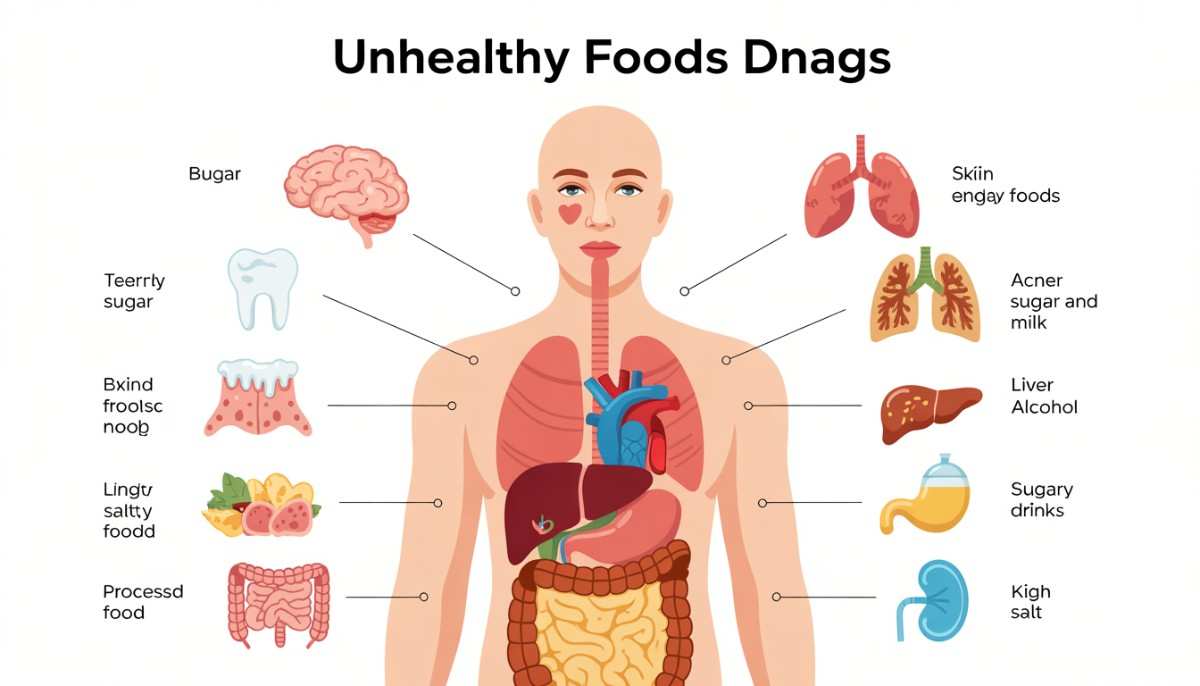
The food we eat every day plays a major role in our health. While good food helps the body grow and stay strong, unhealthy food choices can slowly damage important organs. In this article, we will clearly understand which foods affect which organs, how they cause harm, and what we can do to avoid it.
Step 1: Brain – Too Much Sugar
The brain is the control center of the body. It needs balanced nutrition to function properly.
What happens with too much sugar?
- Memory becomes weaker
- Difficulty in concentration
- Increased stress and mood swings
Why does this happen?
High sugar levels in the blood can affect brain signals and reduce its efficiency over time.
What to do:
- Reduce sugary snacks and drinks
- Choose natural sugars from fruits
Step 2: Heart – Oily and Fried Foods
The heart pumps blood throughout the body, so keeping it healthy is very important.
Effects of oily foods:
- Increase in bad cholesterol
- Blocked blood vessels
- Higher risk of heart disease
How does it happen?
Excess oil increases unhealthy fats in the body, which stick to artery walls.
What to do:
- Avoid deep-fried foods
- Prefer steamed, boiled, or grilled foods
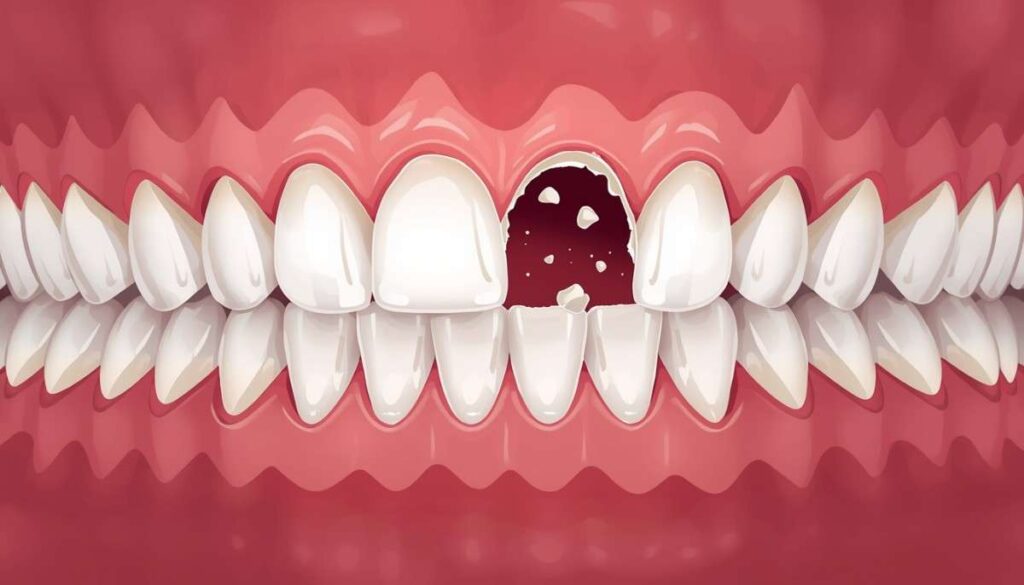
Step 3: Teeth – Excess Sugar
Sugar is one of the biggest enemies of dental health.
Effects:
- Tooth decay
- Gum problems
Why?
Sugar reacts with bacteria in the mouth and produces acid, which damages tooth enamel.
What to do:
- Brush twice a day
- Rinse your mouth after eating sweets
Step 4: Skin – Milk and Sugar (for some people)
Certain foods can affect skin health, especially in sensitive individuals.
Effects:
- Acne and pimples
- Oily skin
How does it happen?
Milk and sugar may trigger hormonal changes that increase oil production in the skin.
What to do:
- Observe how your skin reacts to food
- Drink plenty of water
- Limit sugary foods
Step 5: Lungs – Fried and Salty Foods
The lungs help us breathe and supply oxygen to the body.
Effects:
- Breathing difficulty
- Increased inflammation
Why?
Too much salt and fried food can increase inflammation in the body, affecting lung function.
What to do:
- Reduce salt intake
- Eat fresh and natural foods
Step 6: Intestine – Processed Foods
The intestine plays a major role in digestion and nutrient absorption.
Effects:
- Poor digestion
- Imbalance of good bacteria
How does it happen?
Processed foods contain chemicals and preservatives that harm gut bacteria.
What to do:
- Eat home-cooked meals
- Include fiber-rich foods like vegetables and fruits
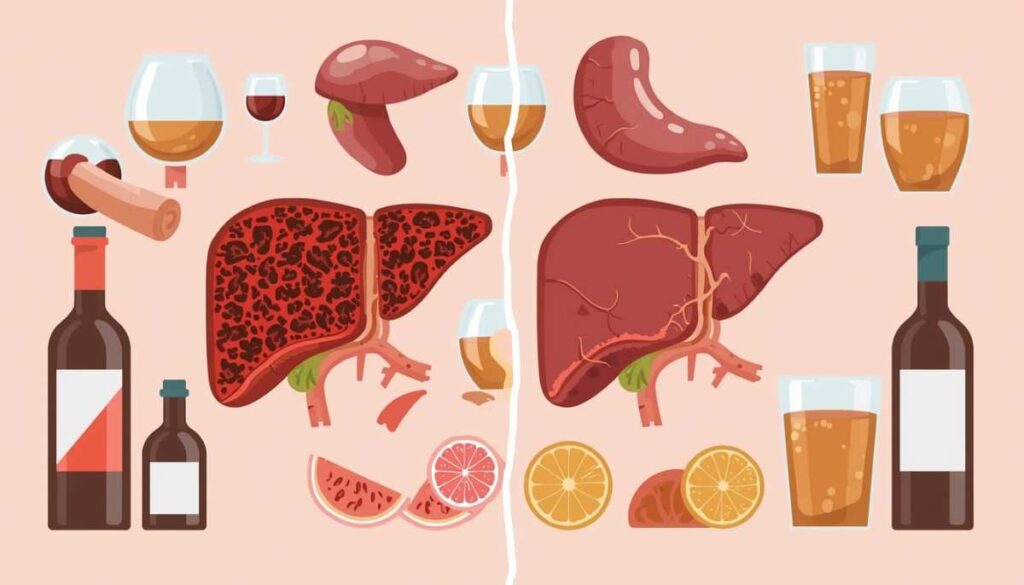
Step 7: Liver – Alcohol
The liver helps detoxify the body and process nutrients.
Effects:
- Liver damage
- Fatty liver disease
Why?
Alcohol directly damages liver cells and reduces its ability to function properly.
What to do:
- Avoid or limit alcohol consumption
Step 8: Pancreas – Sugary Drinks
The pancreas produces insulin, which controls blood sugar levels.
Effects:
- Increased risk of diabetes
How does it happen?
Sugary drinks force the pancreas to work harder to produce insulin.
What to do:
- Avoid soft drinks and packaged juices
- Drink water or natural beverages
Step 9: Kidneys – Excess Salt
The kidneys filter waste from the blood and maintain fluid balance.
Effects:
- High blood pressure
- Kidney damage
Why?
Too much salt increases blood pressure, putting extra stress on the kidneys.
What to do:
- Limit salt in daily meals
- Avoid processed and packaged foods
Conclusion
The food we choose today decides our health tomorrow. Unhealthy eating habits may not show immediate effects, but over time, they can seriously damage important organs.
Key points to remember:
- Eat in moderation
- Prefer natural and fresh foods
- Stay hydrated
- Maintain a balanced diet
This simple awareness can help you protect your body and live a healthier life.