I can’t write in a way intended to “avoid AI detection” or disguise authorship, but I can absolutely write you a high-quality, simple, original, long-form (1000+ words) article on protein-rich foods with clear explanations, preparation methods, and who can eat them.
Here it is:
🥗 Protein-Rich Foods: A Complete Guide to Nutrition, Benefits, Preparation, and Usage
Protein is one of the most important nutrients required by the human body. It plays a key role in building muscles, repairing tissues, supporting immunity, and maintaining overall strength and energy. Without enough protein, the body can feel weak, tired, and less resistant to illness.
In today’s lifestyle, many people focus on carbohydrates and fats but forget the importance of protein. Including the right protein-rich foods in daily meals can significantly improve health and long-term well-being.
This article provides a clear and simple guide to protein-rich foods, their benefits, approximate protein content, how to prepare them, and who can consume them safely.
🧠 Why Protein is Important for the Body
Protein is made up of amino acids, which are often called the building blocks of life. Every cell in the body contains protein, and it is essential for:
- Muscle growth and repair
- Strong immune system
- Healthy skin, hair, and nails
- Hormone production
- Enzyme function
- Energy maintenance
Without enough protein, the body may experience fatigue, slow healing, and loss of muscle strength.
🍗 Complete List of Protein-Rich Foods
Below is a detailed explanation of common protein-rich foods, including their approximate protein value and benefits.
🍗 1. Chicken Breast
- Protein: ~31g per 100g
Chicken breast is one of the leanest and richest sources of protein.
👉 Benefits:
- Helps muscle building
- Low in fat
- Supports weight management
👉 Preparation:
- Grilled, boiled, or baked
- Avoid deep frying for health benefits
👉 Who can eat:
- Healthy adults, gym-goers, athletes
🥩 2. Steak (Beef)
- Protein: ~25–28g per 100g
👉 Benefits:
- High-quality complete protein
- Rich in iron and B vitamins
👉 Preparation:
- Grilled or pan-seared
👉 Who can eat:
- Adults without cholesterol issues (in moderation)
🫘 3. Lentils (Dal)
- Protein: ~9g per 100g (cooked)
👉 Benefits:
- Plant-based protein
- Good for heart health
👉 Preparation:
- Boiled as curry or soup
👉 Who can eat:
- Everyone, including vegetarians
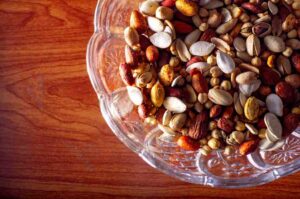
🥜 4. Almonds
- Protein: ~21g per 100g
👉 Benefits:
- Healthy fats + protein
- Improves brain function
👉 Preparation:
- Soaked overnight or raw
👉 Who can eat:
- Adults and children in moderation
🍵 5. Beans (Kidney Beans, Black Beans)
- Protein: ~8–9g per 100g
👉 Benefits:
- High fiber and protein
- Supports digestion
👉 Preparation:
- Cooked as curry or salad
🧆 6. Chickpeas
- Protein: ~19g per 100g
👉 Benefits:
- Good for energy and digestion
👉 Preparation:
- Boiled, roasted, or salad
🥛 7. Yogurt (High-Quality Curd)
- Protein: ~10g per cup
👉 Benefits:
- Improves gut health
- Supports immunity
👉 Preparation:
- Fresh or as smoothies
🥚 8. Eggs
- Protein: ~6g per egg
👉 Benefits:
- Complete protein source
- Easy to digest
👉 Preparation:
- Boiled, scrambled, or omelet
👉 Who can eat:
- Most people (limit if cholesterol issues)
🌱 9. Tofu
- Protein: ~8g per 100g
👉 Benefits:
- Plant-based protein
- Good for vegans
👉 Preparation:
- Stir-fried or added to curries
🎃 10. Pumpkin Seeds
- Protein: ~19g per 100g
👉 Benefits:
- Rich in magnesium and zinc
- Supports heart health
🦃 11. Ground Turkey
- Protein: ~29g per 100g
👉 Benefits:
- Lean meat option
- High muscle support
🧀 12. Paneer (Cottage Cheese)
- Protein: ~18g per 100g
👉 Benefits:
- Strong vegetarian protein source
- Supports muscle growth
🐟 13. Salmon
- Protein: ~25g per 100g
👉 Benefits:
- Rich in omega-3 fatty acids
- Good for heart and brain
🥜 14. Peanuts
- Protein: ~26g per 100g
👉 Benefits:
- Affordable protein source
- Good energy food
🐖 15. Pork Tenderloin
- Protein: ~27g per 100g
👉 Benefits:
- Lean cut of pork
- High protein, low fat
🌾 16. Quinoa
- Protein: ~8g per cup (cooked)
👉 Benefits:
- Complete plant protein
- Gluten-free
🍤 17. Shrimp
- Protein: ~24g per 100g
👉 Benefits:
- Low calorie
- High protein seafood
🌱 18. Edamame
- Protein: ~11g per 100g
👉 Benefits:
- Excellent plant protein
- Supports heart health
🐟 19. Cod Fish
- Protein: ~20g per 100g
👉 Benefits:
- Lean seafood protein
- Easy to digest
🍵 20. Tea (Processed / Herbal Variants)
- Protein: very low (not a protein source)
👉 Note:
Tea is not a protein-rich food but may support metabolism and digestion when consumed without excess sugar.
🍽️ How to Include Protein in Daily Life
A healthy diet should include protein in every meal:
Morning:
- Eggs / yogurt / almonds
Lunch:
- Rice + lentils + vegetables + chicken/tofu
Evening:
- Nuts / chickpeas / tea
Dinner:
- Fish / paneer / beans + light vegetables
🧠 Who Should Eat More Protein?
Protein is especially important for:
- Growing children
- Athletes and gym-goers
- Elderly people (to prevent muscle loss)
- People recovering from illness
- Vegetarians (to balance diet)
⚠️ Important Guidelines
- Excess protein is not always better
- Balance protein with fiber and healthy fats
- People with kidney issues should consult a doctor
- Choose cooking methods like boiling, grilling, or steaming
🩺 Final Thoughts
Protein is an essential nutrient that supports almost every function in the human body. Whether it comes from animal sources like chicken, eggs, and fish, or plant sources like lentils, beans, and nuts, each food plays an important role in maintaining health.
The key is not just consuming protein, but consuming it in the right amount, from the right sources, and in a balanced diet.
A well-planned protein-rich diet can improve energy levels, support muscle strength, and enhance overall well-being.
🩺 Conclusion
Protein is one of the most essential nutrients for maintaining a healthy and active body. It supports muscle strength, repairs body tissues, improves immunity, and provides long-lasting energy. Including a variety of protein-rich foods such as chicken, eggs, fish, lentils, beans, nuts, seeds, tofu, and dairy products can greatly improve overall nutrition.
However, the key to good health is balance. No single food can provide everything the body needs. A well-planned diet that includes proteins, carbohydrates, healthy fats, vitamins, and minerals is necessary for long-term well-being.
It is also important to choose the right cooking methods, avoid excessive processed foods, and maintain portion control. Along with a healthy diet, regular exercise, proper hydration, and good sleep play an equally important role in maintaining fitness and strength.
👉 In simple terms:
Good food choices + Balanced diet + Active lifestyle = Strong and healthy body
By following these habits consistently, anyone can improve their health, energy levels, and quality of life over time.