
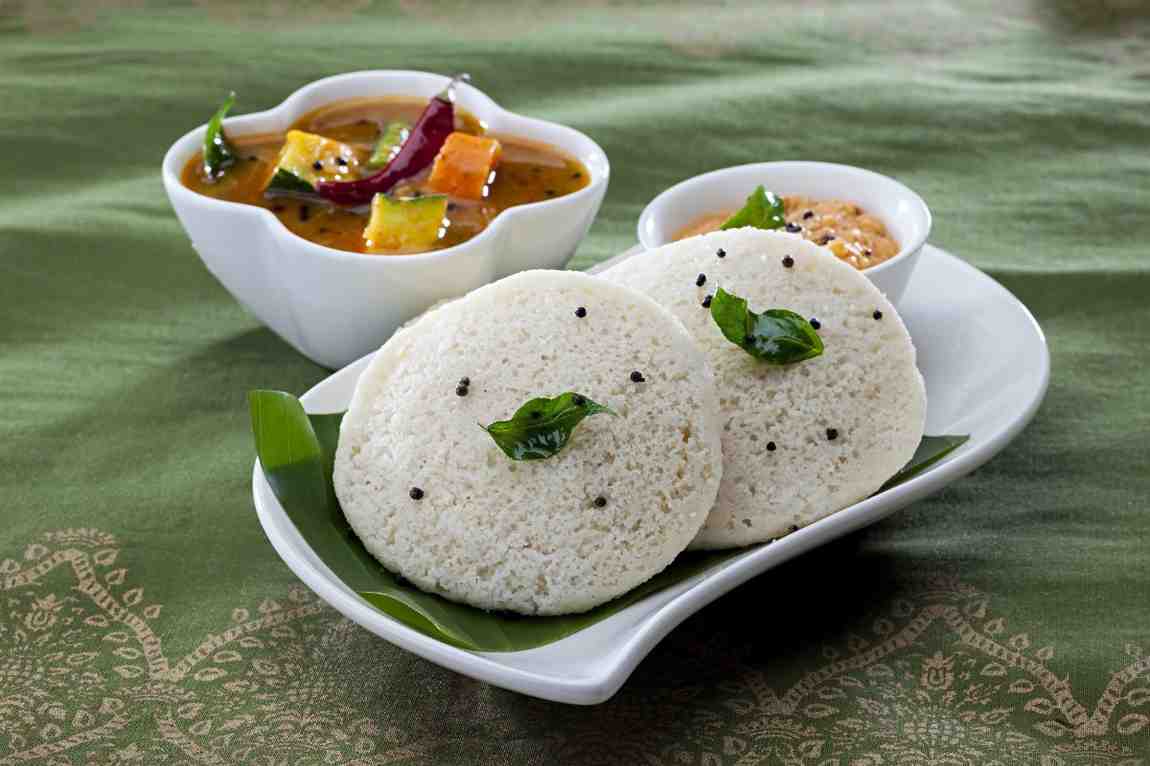
Simple and Smart Tips to Make Tastier Sambar – A Step-by-Step Guide
Sambar is more than just a dish in South Indian cooking—it is a part of everyday comfort food that brings warmth and satisfaction to the table. While making sambar may seem simple, a few thoughtful techniques can completely transform its taste, aroma, and texture. This guide walks you through easy, practical, and slightly creative methods to make your sambar richer and more flavorful.
1. Roasting Chana Dal and Chillies for a Flavorful Paste
Sauté chana dal (split chickpeas) and dried chilies in oil; then, grind them together with grated coconut and an onion. Adding this paste to your Sambar will make it both flavorful and aromatic.
Ingredients:
- 1 teaspoon chana dal
- 3–4 dried red chillies
- 2 tablespoons grated coconut
- 1 small onion
Method:
- Heat a small amount of oil in a pan.
- Add chana dal and roast until it turns golden brown.
- Add dried red chillies and roast them until aromatic.
- Let everything cool down.
- Grind it with grated coconut and onion into a smooth paste.
- Add this paste to your sambar while cooking.
This step enhances both the taste and the aroma, giving your sambar a rich, homemade touch.
2. Cooking Toor Dal with Fenugreek for Extra Depth
Soaking a small amount of fenugreek seeds along with the toor dal (split pigeon peas) before cooking enhances the flavor of the Sambar.
Ingredients:
- 1 cup toor dal
- ¼ teaspoon fenugreek seeds
Method:
- Wash the toor dal thoroughly.
- Soak it with fenugreek seeds for about 15–20 minutes.
- Cook it in a pressure cooker until soft and mushy.
- Use this cooked mixture as the base for your sambar.
Fenugreek adds a mild bitterness that balances the flavors beautifully and enhances the overall taste.
3. Adding Poppy Seeds for a Creamy Texture
When grinding the coconut for Sambar, adding a small amount of poppy seeds to the mixture further enhances the taste.
Ingredients:
- 3 tablespoons grated coconut
- 1 teaspoon poppy seeds
Method:
- Soak the poppy seeds in warm water for 10 minutes.
- Grind them with coconut into a fine paste.
- Add this paste to the sambar while it is simmering.
This gives the sambar a slightly creamy texture and a subtle, rich flavor.
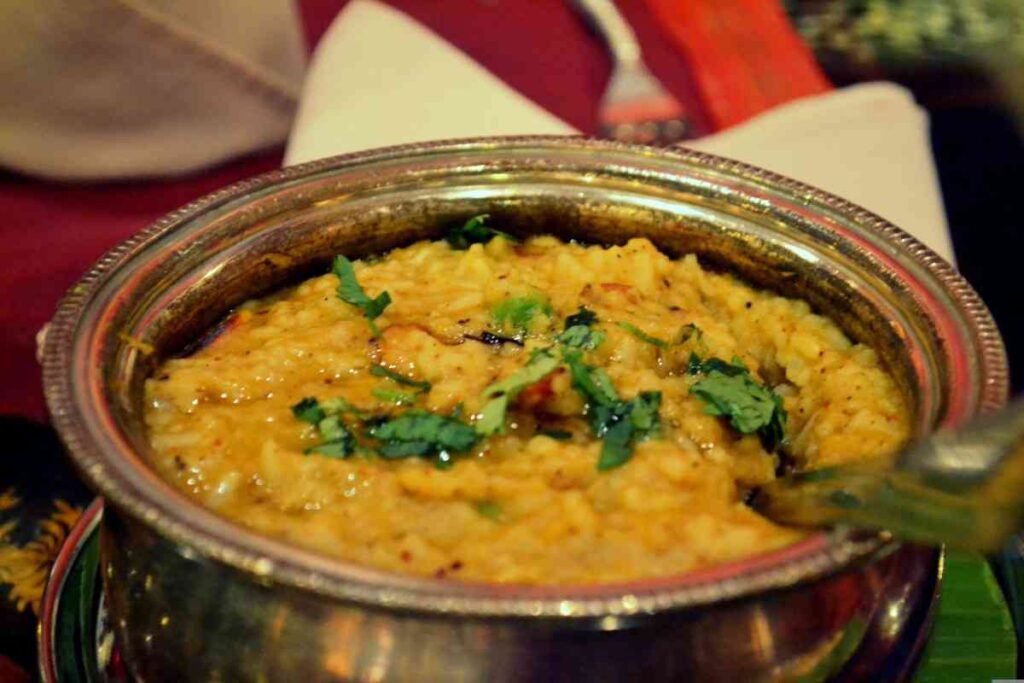
4. Fixing Excess Sourness in Sambar.
If the Sambar becomes too sour, sautéing an onion in oil and adding it to the dish will balance the flavor.
Sometimes, too much tamarind can make the sambar overly sour.
How to fix it:
- Finely chop one small onion.
- Heat oil in a pan and sauté the onion until soft and slightly golden.
- Add the sautéed onion to the sambar and let it boil for a few minutes.
This helps balance the sourness and improves the taste.
5. Reducing Excess Salt in Sambar.
If the Sambar becomes too salty, adding a piece of banana stem to the dish will help neutralize the excess saltiness.
If you accidentally add too much salt, don’t worry—there’s a simple solution.
What you need:
- A small piece of banana stem
Method:
- Wash the banana stem piece thoroughly.
- Add it to the sambar.
- Let it cook for 5–10 minutes.
- Remove the stem before serving.
The banana stem absorbs excess salt and brings the dish back to balance.
Conclusion
Making sambar is a simple process, but small improvements can make a big difference. These tips are easy to follow and can turn an everyday dish into something truly special. Cooking is all about experimenting and learning through experience, so don’t hesitate to try these ideas and adjust them to your taste.
With these methods, your sambar will not only taste better but also carry a comforting aroma that makes every meal more enjoyable.