
What Happens to the Body Step by Step When a Person Continuously Consumes Alcohol?
A Complete Guide from Early Effects to Severe Long-Term Damage
In today’s lifestyle, many people begin drinking alcohol casually — “just for relaxation,” “to reduce stress,” or “only during gatherings.” But over time, regular alcohol consumption slowly changes the body and mind in dangerous ways.
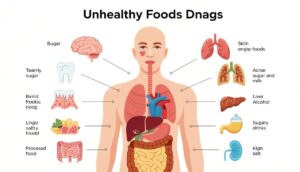
The effects of alcohol do not appear overnight. It gradually damages almost every important organ in the body, including the brain, liver, heart, kidneys, nerves, hormones, and immune system. Many people ignore the early warning signs, and by the time they realize the damage, serious health problems may already have developed.
This article explains step by step how alcohol affects the body, what symptoms appear at each stage, which organs become damaged, and how the body improves after quitting alcohol.
1. Early Stage Effects
(From a Few Weeks to a Few Months)
During the early stage, the body begins showing small changes. Most people ignore these signs because the damage is not yet severe.
1.1 Brain and Mental Health Problems
The brain is one of the first organs affected by alcohol.
Alcohol slows down communication between brain cells and affects thinking, emotions, and memory.
Early Symptoms:
- Mood swings
- Irritability and anger
- Anxiety and stress
- Sadness or depression
- Poor concentration
- Memory problems
- Lack of motivation
- Sleep disturbances
At first, alcohol may create a temporary relaxed feeling. But over time, the brain starts depending on alcohol to feel calm.
Solutions:
- Sleep at least 7–8 hours daily
- Practice meditation or yoga
- Reduce stress naturally
- Spend time with supportive family members
- Slowly reduce alcohol intake
1.2 Stomach and Digestive Problems
Alcohol directly irritates the stomach lining and affects digestion.
Common Problems:
- Acidity
- Heartburn
- Indigestion
- Nausea
- Loss of appetite
- Bloating
- Constipation or diarrhea
Why Does This Happen?
Alcohol increases acid production in the stomach and weakens digestion.
Solutions:
- Avoid spicy and oily foods
- Drink warm water regularly
- Eat fruits and vegetables
- Follow regular meal timings
- Never drink alcohol on an empty stomach
1.3 Physical Changes in the Body
Early Physical Signs:
- Puffy face
- Red eyes
- Constant tiredness
- Dry skin
- Sudden weight gain or weight loss
- Excessive sweating
Alcohol dehydrates the body and reduces natural energy levels.
Solutions:
- Drink more water
- Exercise regularly
- Eat healthy natural foods
- Avoid late-night drinking habits

2. Medium-Term Damage
(From Several Months to a Few Years)
At this stage, alcohol begins damaging major organs inside the body.
2.1 Liver Damage
The liver is the organ most affected by alcohol because it processes and removes toxins from the body.
Early Liver Problems:
- Fatty Liver
- Alcoholic Hepatitis
Symptoms:
- Pain on the right side of the abdomen
- Fatigue
- Nausea
- Loss of appetite
- Weakness
Severe Condition:
If drinking continues, it may lead to Liver Cirrhosis, where the liver becomes permanently scarred and damaged.
This can become life-threatening.
Solutions:
- Stop alcohol immediately
- Get liver function tests
- Avoid junk and oily foods
- Eat green vegetables and protein-rich foods
2.2 Heart Problems
Alcohol weakens the heart over time.
Common Heart Issues:
- High blood pressure
- Irregular heartbeat
- Weak heart muscles
- Increased risk of heart attack
Symptoms:
- Chest pain
- Shortness of breath
- Fast heartbeat
- Heavy sweating
Solutions:
- Daily walking or exercise
- Reduce salt intake
- Avoid smoking
- Regular heart checkups
2.3 Nervous System Damage
Alcohol slowly damages the nerves and brain communication system.
Symptoms:
- Hand tremors
- Burning sensation in legs
- Numbness
- Poor balance
- Slurred speech
Why Does This Happen?
Alcohol causes nerve damage and Vitamin B deficiency.
Solutions:
- Eat Vitamin B-rich foods
- Consume eggs, milk, nuts, and lentils
- Seek medical advice
- Completely stop alcohol use
3. Severe Long-Term Damage
3.1 Brain Damage
Long-term alcohol use seriously affects brain function.
Possible Effects:
- Memory loss
- Depression
- Mental disorders
- Stroke risk
- Difficulty speaking
Some people may even forget family members or lose mental stability.
Solutions:
- Immediate medical treatment
- Mental health counseling
- Total alcohol avoidance
3.2 Pancreas Damage
Alcohol can inflame the pancreas.
Symptoms:
- Severe stomach pain
- Vomiting
- Digestive problems
Long-Term Effects:
- Diabetes
- Pancreatic failure
Solutions:
- Avoid oily foods
- Follow medical treatment
- Stop drinking completely
3.3 Kidney Damage
Common Problems:
- Swelling in the body
- Reduced urination
- Fatigue
- High blood pressure
Why Does This Happen?
Alcohol causes dehydration and puts pressure on the kidneys.
Solutions:
- Drink enough water daily
- Reduce salt intake
- Get regular kidney tests
3.4 Weak Immune System
Alcohol weakens the body’s ability to fight infections.
Effects:
- Frequent fever and cold
- Slow recovery from illness
- Increased infections
- Weak body condition
Solutions:
- Eat Vitamin C-rich foods
- Follow a healthy diet
- Sleep properly
- Exercise regularly
3.5 Sexual and Hormonal Problems
In Men:
- Sexual weakness
- Reduced sperm count
- Low testosterone levels
In Women:
- Irregular menstrual cycles
- Hormonal imbalance
Solutions:
- Stop alcohol use
- Eat nutritious foods
- Reduce stress
4. Early Warning Signs from the Body
The body often gives warning signs before severe damage occurs.
Important Signs to Watch:
- Morning vomiting
- Shaking hands
- Yellow eyes or skin
- Extreme tiredness
- Sleep problems
- Swollen stomach
- Loss of appetite
- Sudden weight changes
These signs should never be ignored.
5. Most Dangerous Organs in the Final Stage
Organs at Highest Risk:
- Liver
- Heart
- Brain
- Pancreas
- Kidneys
Final Stage Complications:
- Liver failure
- Stroke
- Heart attack
- Kidney failure
- Risk of death
6. Positive Changes After Quitting Alcohol
The body begins healing surprisingly fast after alcohol is stopped.
Within 24 Hours:
- Body hydration improves
- Heart rate becomes more stable
Within 1 Week:
- Better sleep
- Improved digestion
- Fresh-looking skin and face
Within 1 Month:
- Liver starts recovering
- Energy levels increase
- Mental clarity improves
Within 3–6 Months:
- Blood pressure improves
- Memory becomes sharper
- Body weight stabilizes
Within 1 Year:
- Lower risk of heart disease
- Better liver health
- Improved quality of life
Simple Ways to Quit Alcohol
- Set daily goals
- Stay around supportive people
- Exercise regularly
- Eat healthy foods
- Seek family support
- Talk to a doctor if needed
- Practice meditation or relaxation techniques

Conclusion
Alcohol may seem harmless in the beginning, but continuous drinking slowly damages the body from the inside. Small warning signs can eventually become serious and life-threatening diseases affecting the liver, heart, brain, kidneys, and other organs.
The good news is that the body has an amazing ability to heal. No matter how long a person has been drinking, stopping alcohol can bring major improvements to physical and mental health. With proper food, sleep, exercise, medical care, and strong determination, a healthier life is possible again.
“Alcohol may give temporary pleasure, but good health gives lifelong happiness.”